Leave No Trace: 7 Principles Every Backpacker Should Know
Leave No Trace: 7 Principles Every Backpacker Should Know
Leave No Trace (LNT) isn't just a set of rules—it's an ethic of responsible outdoor recreation that helps preserve wilderness areas for future generations. Here's everything you need to know about practicing Leave No Trace in the backcountry.
The 7 Principles
1. Plan Ahead and Prepare
Proper planning prevents problems and reduces impact:
Before Your Trip:
- Research regulations and special concerns
- Check weather forecasts and hazards
- Schedule your trip to avoid peak times
- Travel in small groups (4-6 people ideal)
- Repackage food to minimize waste
- Know the area's regulations about fires, camping, and waste
Pack Smart:
- Bring appropriate gear for the conditions
- Have a backup plan for emergencies
- Carry maps and know how to use them
- Pack trash bags to pack out all waste
2. Travel and Camp on Durable Surfaces
On Trail:
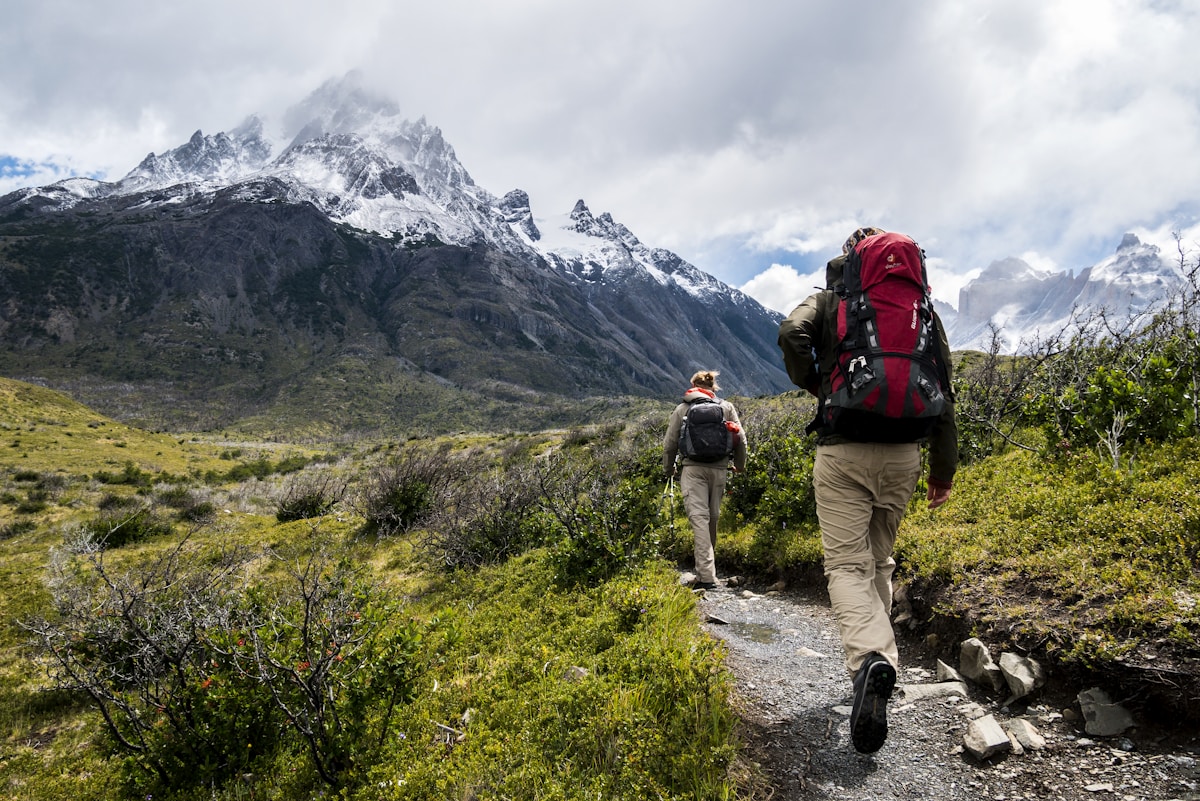
- Stay on established trails
- Walk single file in the middle of the trail
- Don't cut switchbacks
- Step through mud rather than around it
At Camp:
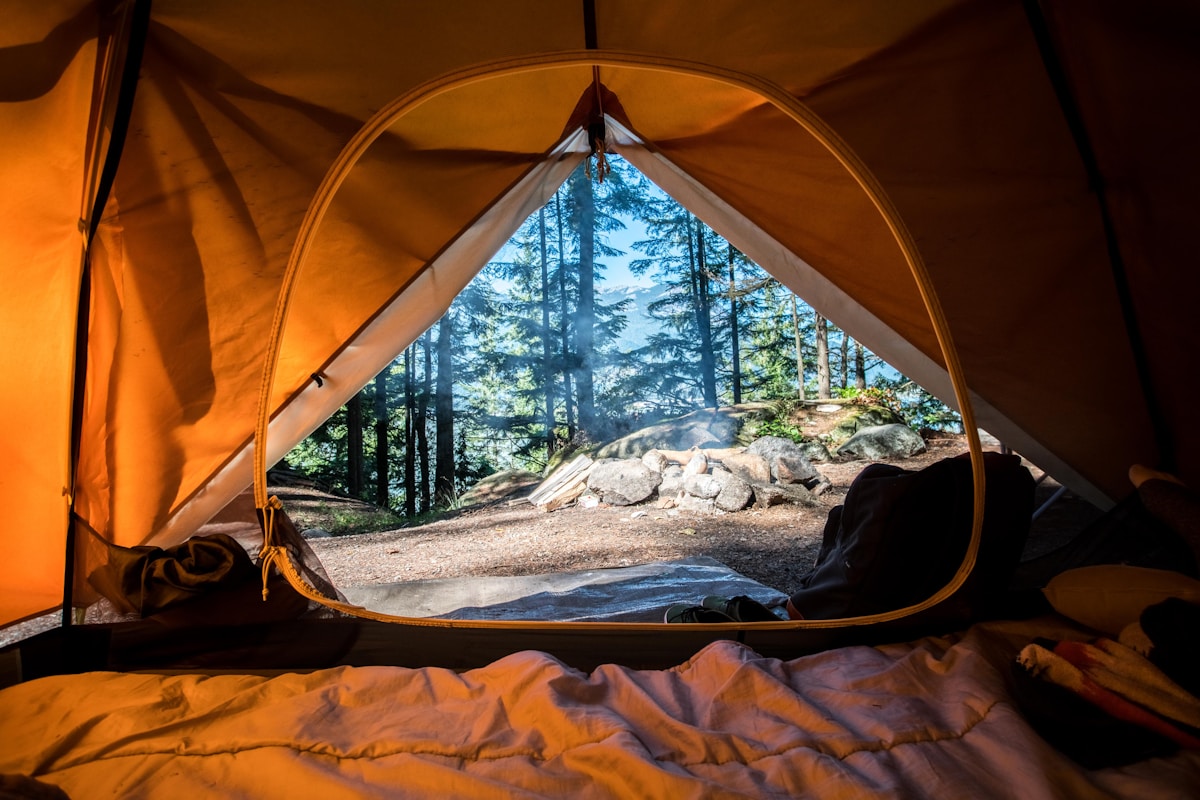
- Use established campsites when possible
- Camp 200 feet (70 adult paces) from lakes and streams
- Avoid areas where impact is just beginning
- Keep your site small—concentrate impact in high-use areas
Durable Surfaces Include:
- Rock
- Gravel
- Dry grasses
- Snow
3. Dispose of Waste Properly
Pack It In, Pack It Out:
- Carry out all trash, leftover food, and litter
- Inspect your campsite for micro-trash (food scraps, wrappers)
- Pack out toilet paper and hygiene products
Human Waste:
- Use established toilets when available
- Otherwise: Dig a cathole 6-8 inches deep, 200 feet from water
- Cover and disguise the cathole when finished
- Pack out toilet paper in a sealed bag (or use natural alternatives)
Washing:
- Use biodegradable soap sparingly
- Carry water 200 feet from streams or lakes
- Scatter strained dishwater
4. Leave What You Find
Preserve the Past:
- Observe but don't touch cultural or historic structures
- Leave rocks, plants, and natural objects as you find them
- Don't build structures or furniture
- Don't dig trenches
Keep it Wild:
- Good campsites are found, not made
- Avoid introducing non-native species
- Don't hammer nails into trees
- Remove stakes and debris from campsites
5. Minimize Campfire Impacts
Fires and the Environment:
- Use a stove for cooking—it's easier and better for the environment
- Where fires are permitted, use established fire rings
- Keep fires small
- Burn all wood to ash
- Put out fires completely
- Pack out any remaining materials
When Fires are Necessary:
- Use a fire pan or mound fire
- Burn only dead and downed wood
- Don't break branches off trees
- Ensure fires are dead out (cold to touch)
6. Respect Wildlife
Observe from a Distance:
- Never approach, feed, or follow wildlife
- Use binoculars or telephoto lenses
- Respect nesting and mating seasons
Protect Wildlife:
- Store food and trash securely (bear canisters, food hangs)
- Control pets or leave them at home
- Avoid wildlife during sensitive times (winter, nesting, mating)
Food Storage:
- Use bear canisters in bear country
- Hang food 12 feet high and 6 feet from tree trunks
- Store all scented items (toothpaste, sunscreen, etc.)
- Cook and eat away from your sleeping area
7. Be Considerate of Other Visitors
Trail Etiquette:
- Yield to uphill hikers
- Step aside to let faster hikers pass
- Take breaks away from the trail
- Keep voices down
At Camp:
- Respect quiet hours
- Choose campsites away from other groups
- Keep music off or use headphones
- Minimize bright lights at night
On Popular Trails:
- Let nature's sounds prevail
- Avoid loud voices and noises
- Respect other visitors' desire for solitude
Advanced LNT Techniques
Cryptobiotic Soil
In desert environments, avoid stepping on:
- Black, lumpy soil crusts
- These contain living organisms that take decades to form
- Stay on rock or in washes when possible
Alpine Environments
- Especially fragile and slow to recover
- Stick to rock or snow when possible
- Avoid stepping on alpine plants
- Camp on snow or rock, not vegetation
Water Sources
- Never use soap directly in water sources
- Dispose of water 200 feet from sources
- Don't wash dishes or people in streams/lakes
- Avoid camping directly next to water
Common LNT Mistakes
❌ Burying trash: It doesn't decompose and animals will dig it up
❌ Throwing organic waste: Orange peels take 2 years, banana peels take 2-5 years
❌ Creating fire rings: Use existing ones or a fire pan
❌ Building rock cairns: Can confuse navigation and impact habitat
❌ Feeding wildlife: Creates dangerous dependencies
❌ Picking flowers: Leave them for others to enjoy and for seeds to spread
❌ Cutting live wood: Use only dead and downed wood
❌ Making loud noise: Disrupts wildlife and other visitors
Why LNT Matters
The wilderness is facing unprecedented pressure from increased outdoor recreation. Following LNT principles ensures that:
- Wildlife habitats remain intact: Animals can live without human disruption
- Resources are preserved: Future generations can enjoy pristine wilderness
- Recreation areas stay open: Poor stewardship leads to closures
- Ecological balance is maintained: Natural processes continue undisturbed
Teaching Others
You can make a difference:
- Lead by example
- Gently educate when you see violations
- Join trail maintenance crews
- Support Leave No Trace organizations
- Share LNT principles with new backpackers
Conclusion
Leave No Trace isn't about following rules—it's about developing an ethic of respect for wild places. Every action matters, and collectively, our choices determine whether future generations will enjoy the same wilderness experiences we have today.
The next time you're planning a trip with BackpackPeek, remember: the best campsite is one that looks like you were never there.
🌲 Leave it better than you found it.
Share this article
About the Author
David Demers
Member since December 2025