10 Essential Gear Items for Your First Backpacking Trip
10 Essential Gear Items for Your First Backpacking Trip
Preparing for your first backpacking trip can be overwhelming. With so much gear available, it's hard to know what you actually need. This guide covers the 10 essential items every beginner should have.
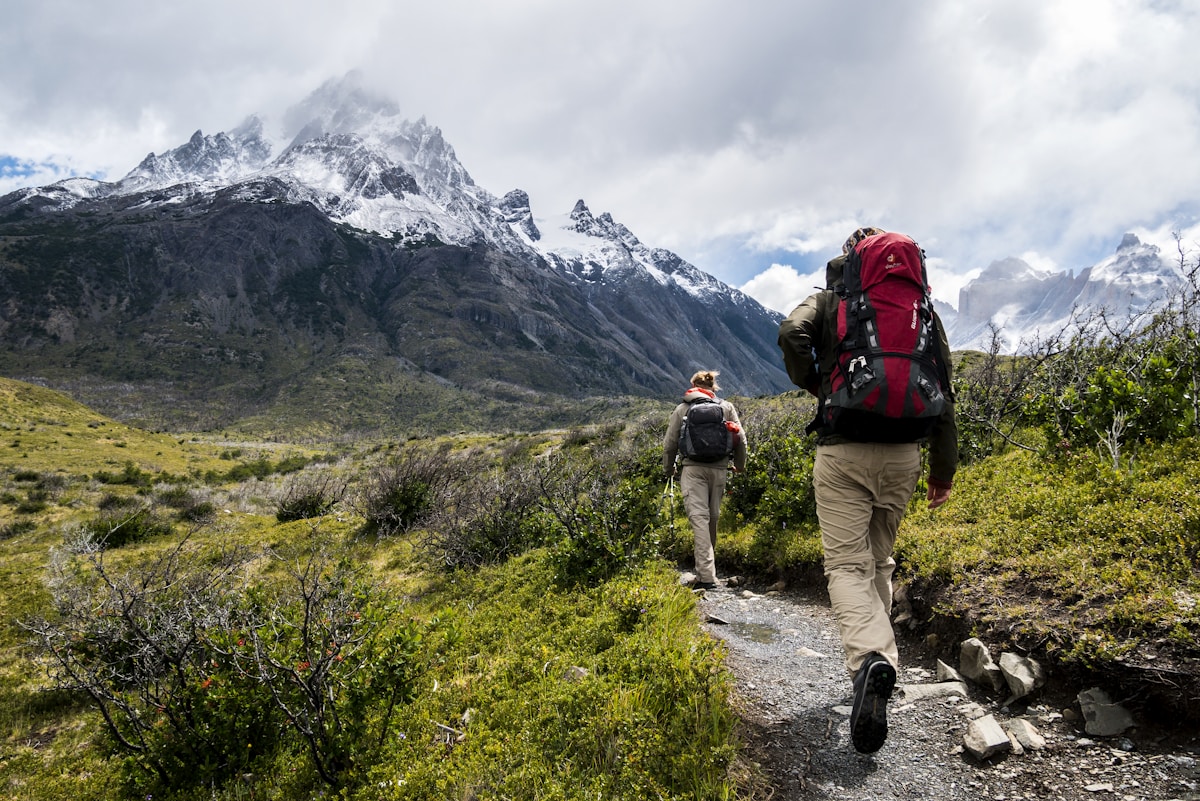
1. Backpack (40-65L)
Choose a pack that fits your torso length and has adequate capacity for 2-3 day trips. Look for:
- Adjustable suspension system
- Hip belt with padding
- Multiple compartments for organization
- Rain cover or waterproof material
Weight Range: 3-5 lbs
Budget: $150-$400
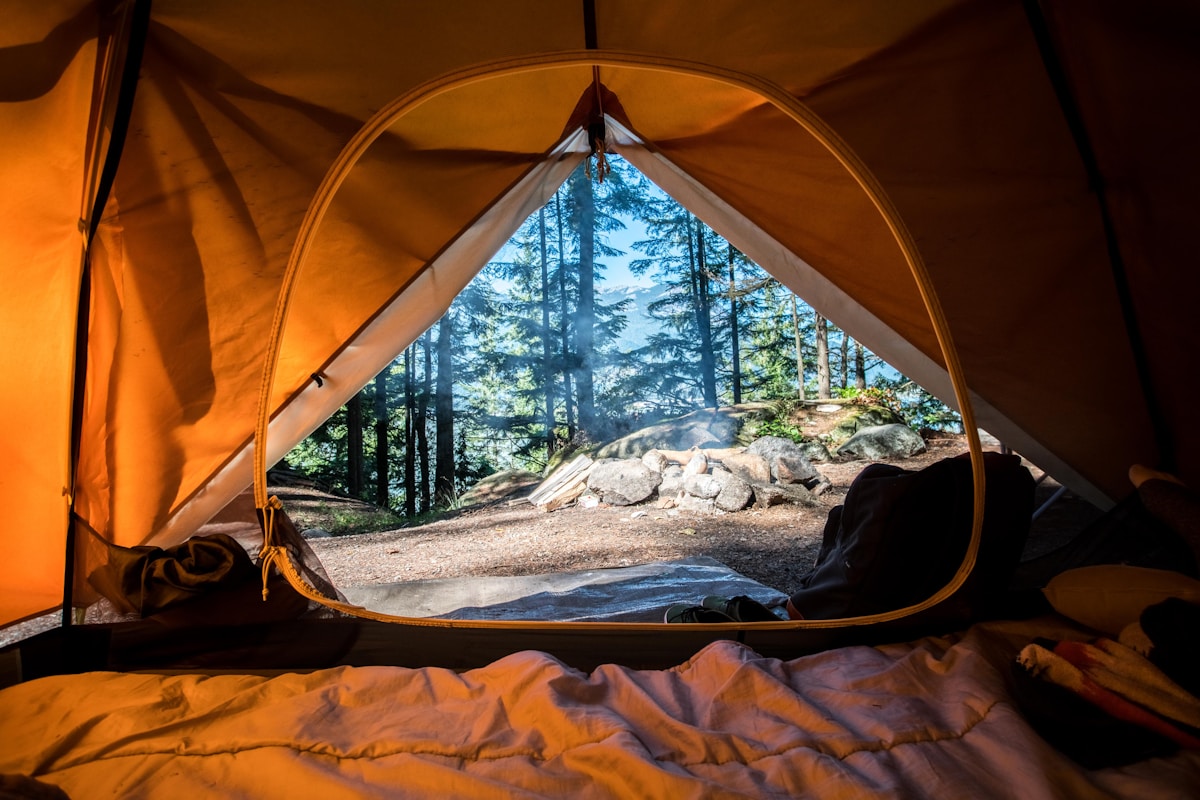
2. Shelter System
Your shelter protects you from the elements. Options include:
- Tent: Most weather-proof and bug-proof option
- Hammock: Great for wooded areas
- Tarp: Ultralight but requires more skill
Weight Range: 2-5 lbs
Budget: $100-$500
3. Sleeping Bag or Quilt
Choose based on the lowest temperature you'll encounter:
- 3-Season Bag (20-30°F): Most versatile for beginners
- Summer Bag (40-50°F): For warm weather only
- Winter Bag (0-20°F): For cold conditions
Weight Range: 1.5-4 lbs
Budget: $100-$400
4. Sleeping Pad
Essential for insulation and comfort:
- Foam Pads: Durable and affordable
- Inflatable Pads: More comfortable but can puncture
- R-Value: Choose based on season (higher for colder weather)
Weight Range: 0.5-2 lbs
Budget: $40-$200
5. Water Filtration System
Never drink untreated water. Options include:
- Squeeze Filters: Fast and lightweight (Sawyer Squeeze)
- Gravity Filters: Great for groups
- Chemical Treatment: Lightweight backup option
- UV Purifiers: Fast but requires batteries
Weight Range: 0.1-0.5 lbs
Budget: $20-$100
6. Cooking System
Keep it simple for your first trips:
- Canister Stove: Easy to use and reliable
- Pot: 0.9-1.2L capacity
- Spork: Lightweight utensil
- Fuel: Bring extra
Weight Range: 0.5-1.5 lbs
Budget: $50-$150
7. Proper Clothing Layers
Follow the layering system:
- Base Layer: Moisture-wicking synthetic or wool
- Insulation Layer: Fleece or down jacket
- Shell Layer: Waterproof rain jacket and pants
Don't forget:
- Hiking socks (synthetic or wool)
- Hat and gloves
- Sun protection
Weight Range: 2-5 lbs
Budget: $150-$400
8. Navigation Tools
Always carry:
- Map: Waterproof topographic map of the area
- Compass: Know how to use it with your map
- GPS Device or Phone: Backup only, bring power bank
Weight Range: 0.2-0.5 lbs
Budget: $20-$100
9. First Aid Kit
Build or buy a kit with:
- Bandages and gauze
- Medical tape
- Pain relievers
- Antibiotic ointment
- Blister treatment
- Any personal medications
Weight Range: 0.5-1 lb
Budget: $20-$60
10. Illumination
Essential for camp tasks after dark:
- Headlamp: Hands-free lighting (bring extra batteries)
- Backup: Small flashlight or backup headlamp
Weight Range: 0.1-0.3 lbs
Budget: $20-$80
Bonus Tips
The 10 Essentials
These items are covered in the list above, but always remember:
1. Navigation
2. Sun protection
3. Insulation
4. Illumination
5. First-aid supplies
6. Fire starter
7. Repair kit and tools
8. Nutrition (extra food)
9. Hydration (extra water)
10. Emergency shelter
Don't Forget
- Trekking poles (optional but helpful)
- Toiletries and hygiene items
- Trash bags (Leave No Trace)
- Permits and documentation
- Emergency whistle
Conclusion
Start with these essentials and you'll be well-prepared for your first backpacking adventure. Remember, you don't need the most expensive gear—focus on reliability and fit.
Use BackpackPeek to create your pack list and track the weight of each item. This helps ensure you're carrying everything you need without overdoing it.
Happy trails! 🥾
Share this article
About the Author
David Demers
Member since December 2025